


If you’re planning to sell an older home in Southern California, you may be wondering whether it’s worth getting a pre-listing inspection before putting it on the market. While not legally required, a pre-listing inspection can offer strategic advantages—especially for homes with vintage charm but potentially outdated systems. At Berkshire Hathaway HomeServices, we often get this question from sellers, and the answer depends on your priorities, the condition of your property, and the kind of buyer you want to attract.
Let’s explore the pros, cons, and considerations so you can make an informed decision.
What Is a Pre-Listing Inspection?
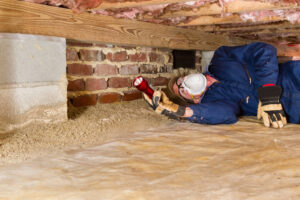
A pre-listing inspection is a home inspection ordered by the seller before the property is listed for sale. It’s similar to the inspection a buyer would eventually request—but you’re doing it proactively to identify any hidden issues ahead of time.
This is especially relevant when selling older homes, which often have aging plumbing, electrical systems, foundations, or roofing that may not meet modern standards.
The Advantages of Pre-Listing Inspections for Older Homes
1. Uncover Issues Before Buyers Do
One of the biggest risks in selling an older home is surprises during escrow. If a buyer’s inspection turns up major problems—say, knob-and-tube wiring or a crumbling chimney—you could face repair demands, price reductions, or even deal cancellations. A pre-listing inspection gives you a chance to address issues on your own terms.
2. Build Buyer Trust
Transparency is a powerful negotiating tool. Sharing a pre-listing inspection report with potential buyers signals that you’re upfront and confident about the home’s condition. In competitive Southern California markets, that can help your home stand out—especially if you’re competing with newer listings.
3. Smoother, Faster Escrow
When you’ve already done the legwork, buyers can move more quickly and confidently through escrow. That’s good news if you’re aiming for a quick sale, hoping to avoid drawn-out negotiations, or managing a contingent purchase on another home.
4. Control Over Repairs
If the inspection reveals needed repairs, you get the first say in how to handle them. That might mean fixing them in advance, adjusting your list price, or simply disclosing the issues and selling “as-is.” Either way, you maintain control over timing, cost, and contractor choice.
The Potential Drawbacks
1. Upfront Cost
You’ll need to pay for the inspection, and possibly repairs, out of pocket before you list the home. That can feel like a gamble—especially if you’re unsure how much value it will add to your sale.
2. Disclosure Requirements
In California, once you’ve learned about a defect through a pre-listing inspection, you’re legally obligated to disclose it to buyers. For some sellers, this feels risky—but keep in mind that buyers are likely to discover those issues anyway.
3. May Not Prevent a Buyer’s Own Inspection
Even if you’ve had a thorough inspection done, most buyers will still want their own. However, your report can serve as a reference point and reduce friction during negotiations.
When a Pre-Listing Inspection Makes Sense
Consider a pre-listing inspection if:
- Your home is more than 30 years old
- You suspect hidden issues (but aren’t sure)
- You want to list your home at a premium price
- You prefer to fix things upfront rather than renegotiate later
- You’re selling in a competitive market and want to reduce buyer hesitations
Work With Experts Who Know Older Homes
At Berkshire Hathaway HomeServices, we understand the nuances of selling older properties in Southern California’s unique real estate landscape. From historic craftsman homes in Pasadena to mid-century gems in Long Beach, we help you craft a listing strategy that honors your home’s character while addressing buyer concerns.
Ready to talk through your selling options? Call (310) 373-0021 today to schedule a consultation with one of our local experts.