


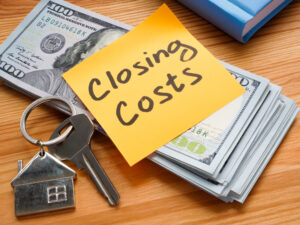
For many buyers and sellers, closing day feels like the finish line. But before you get there, there’s one more financial hurdle to clear: closing costs. Understanding what these costs are, who pays them, and roughly how much to expect can help you avoid surprises and plan accordingly.
What Are Closing Costs?
Closing costs are the fees and expenses associated with finalizing a real estate transaction. They go beyond the purchase price itself and cover a range of services required to complete the sale — from lender fees to title insurance to government recording charges.
Both buyers and sellers pay closing costs, though the amounts and specific line items differ significantly between the two sides of the transaction.
What Buyers Typically Pay
Buyer closing costs generally fall between two and five percent of the loan amount. The exact figure depends on the purchase price, the type of loan, and the lender you work with.
Common buyer closing costs include:
- Loan origination fees charged by the lender
- An appraisal fee to confirm the home’s market value
- A home inspection fee
- Title insurance to protect your ownership rights
- Prepaid property taxes and homeowner’s insurance
- Escrow fees for the neutral third party managing the transaction
Some of these costs are paid upfront before closing, while others are collected at the closing table itself. Your lender is required to provide a Loan Estimate early in the process, which gives you a detailed breakdown of anticipated costs.
What Sellers Typically Pay
Sellers generally pay more in closing costs than buyers, primarily because they’re responsible for the real estate commission. In addition to commission, sellers commonly pay transfer taxes, their share of escrow fees, any outstanding property taxes prorated through the closing date, and costs related to paying off an existing mortgage.
In some cases, sellers may also agree to cover a portion of the buyer’s closing costs as part of the negotiation — particularly in a slower market or when a buyer requests a concession.
Can Closing Costs Be Negotiated?
To some extent, yes. While certain fees are fixed — government recording charges, for example — others have more flexibility. Buyers can shop around for services like title insurance and escrow in many cases. Sellers can negotiate how commission is structured when they list with an agent.
It’s also worth knowing that some lenders offer “no-closing-cost” loan options, which roll the costs into the loan balance or offset them with a slightly higher interest rate. This can be helpful for buyers who are short on cash upfront, though it means paying more over the life of the loan.
Plan Ahead With the Right Agent
The best way to avoid sticker shock at closing is to understand the numbers before you get there. At Berkshire Hathaway HomeServices, our agents walk buyers and sellers through anticipated closing costs early in the process so nothing catches you off guard.
We’ll make sure you understand every line item, know what’s negotiable, and feel fully prepared when closing day arrives. Call us at (310) 373-0021 to connect with an agent who knows the South Bay market inside and out.