


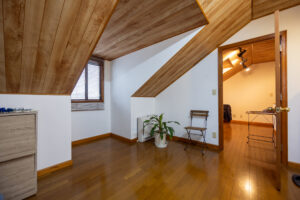
Today’s buyers aren’t just shopping for bedrooms and bathrooms—they’re looking for homes that can adapt. As lifestyles continue to evolve, flexible spaces have become one of the most desirable features in residential real estate. Homes that offer adaptability are standing out in competitive markets and attracting stronger buyer interest.
The Rise of Multi-Use Living
Work-from-home arrangements, hybrid schedules, and evolving family needs have changed how buyers view space. Rooms that once served a single purpose are now expected to support multiple functions.
Buyers want homes that can grow and shift with their needs, rather than forcing costly renovations down the road.
What Defines a Flexible Space?
Flexible spaces are areas that can be easily reimagined without structural changes. Common examples include:
- Bonus rooms or dens
- Loft areas
- Finished garages or converted spaces
- Oversized bedrooms with multiple layout options
The key feature is adaptability—not size alone.
Why Buyers Value Flexibility Over Square Footage
Many buyers prefer a well-designed flexible space over additional square footage that lacks purpose. A modest home with adaptable rooms often feels more livable than a larger home with rigid layouts.
Flexibility allows buyers to envision personal use, which creates stronger emotional connections during showings.
Supporting Work, Wellness, and Family Life
Flexible spaces support a wide range of modern needs. Buyers imagine:
- Home offices or creative studios
- Workout or wellness rooms
- Guest accommodations
- Children’s play or study areas
This versatility adds perceived value without increasing footprint.
Flexibility Adds Long-Term Appeal
Homes with adaptable spaces remain attractive even as buyer preferences change. What works as a home office today could become a nursery, hobby room, or media space tomorrow.
This long-term usefulness makes flexible homes appealing to both current buyers and future resale markets.
How Sellers Can Showcase Flexible Areas
Sellers don’t need major renovations to highlight flexibility. Simple staging choices—like neutral furnishings or multi-purpose layouts—help buyers visualize possibilities.
Clear marketing descriptions also play a role in positioning these spaces effectively.
Why Flexible Homes Sell Faster
Homes that clearly demonstrate adaptability tend to attract more interest and broader buyer pools. When buyers can easily picture their lives in a space, they’re more likely to act decisively.
This often leads to stronger offers and shorter time on market.
How Berkshire Hathaway HomeServices Helps Buyers and Sellers Leverage Flexibility
At Berkshire Hathaway HomeServices, agents help sellers identify and showcase flexible features that appeal to modern buyers. For buyers, they help evaluate homes not just for what they are—but for what they can become.
If you’re buying or selling and want expert insight into how flexible spaces impact value, call (310) 373-0021 to speak with a real estate professional.
Adaptable Homes Are the Future
As lifestyles continue to evolve, homes that offer flexibility will remain in demand. Spaces that adapt are no longer a bonus—they’re an expectation.