


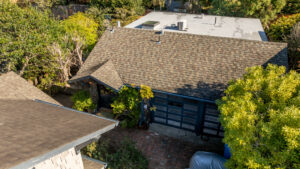
 Many South Bay homeowners have the same thought when they look at a detached garage or a deep backyard: could that space be a home of its own? California has made accessory dwelling units, or ADUs, much easier to build over the past several years. Whether one adds value to your property depends on your lot, your budget, and what you plan to do with it.
What Is an ADU?
An ADU is a second, self-contained living unit on the same lot as a home. It can be a detached backyard cottage, an addition, or a converted garage. A junior ADU, or JADU, is a smaller unit of up to 500 square feet built within the existing home, and it can share a bathroom with the main house.
On a single-family lot, California generally allows one ADU and one JADU, subject to local standards.
What Has California Changed to Make ADUs Easier?
State law now limits how much a city can stand in the way. A few rules matter most for homeowners:
- Cities must approve or deny a complete ADU application within 60 days.
- Local agencies can’t require the owner to live on the property to build an ADU.
- Cities can’t use their development standards to block an ADU of at least 800 square feet.
- Impact fees are waived for ADUs under 750 square feet.
- If you convert a garage, you usually don’t have to replace the lost parking.
Beach cities add one more step. Properties in the Coastal Zone may need a coastal development permit, which state law also requires to be decided within 60 days.
Will an ADU Raise My Property Taxes?
Yes, but not the way many owners fear. In Los Angeles County, the assessor values the new ADU on its own and adds that amount to your existing assessed value. Your main home isn’t reassessed, so you keep its Prop 13 base. A $250,000 ADU would add about $2,500 a year at the basic 1% rate.
Does an ADU Add Resale Value?
Often, but not automatically. An ADU gives the next buyer options: rental income, space for a parent or adult child, a home office, or a guest suite. That flexibility appeals to many buyers, as we covered in why homes with flexible spaces are winning over modern buyers.
How much value it adds depends on build quality, permits, layout, and what similar homes nearby have sold for. An unpermitted conversion can work against you when it’s time to sell. Buyers and lenders want to see that the unit was built legally.
Some homeowners have asked about selling an ADU separately as a condo. A 2023 state law, AB 1033, makes that possible, but only in cities that adopt a local ordinance to allow it. Check with your city before planning around it.
What Should You Weigh Before Building?
Start with how long you plan to stay. If you’ll use the ADU for years as a rental or family space, the return goes beyond resale price. If you plan to sell soon, compare the full cost of construction with what local buyers are paying for homes with and without ADUs.
Then look at your lot, setbacks, utilities, and any HOA rules. State law keeps HOAs from banning ADUs on single-family lots, but they may still set reasonable standards.
How Berkshire Hathaway HomeServices Can Help
Local sales data tells you more than any rule of thumb, which is why local market knowledge matters so much when selling your home. Our agents can show you how homes with ADUs have performed in your neighborhood and help you decide whether building one fits your goals. Call Berkshire Hathaway HomeServices at (310) 373-0021 to start the conversation.